

Journey to Success Applauds the Fostering the Future for American Children and Families Executive Order
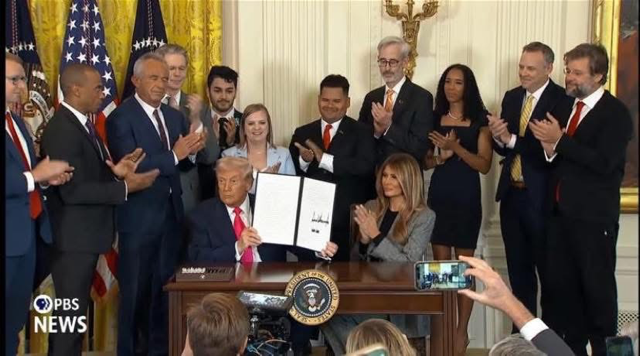
Journey to Success commends the Trump Administration for its recent Fostering the Future for American Children and Families Executive Order, issued on November 13, 2025, and corresponding event at the White House. The Administration’s actions put a national spotlight on foster youth and uplifted the voices of youth with lived experience in foster care.
Our campaign was honored to participate in the White House event hosted by the President and First Lady and proud of the young leaders from around the country invited as special guests to share their real experiences in foster care. Two of the outstanding young leaders invited represent long-time Journey to Success partner organizations, Samanthya Marlatt with Iowa Achieving Maximum Potential (AMP) and Serenity Miller with Florida Youth Shine. Please join Journey to Success in thanking each of the young leaders for their leadership at the local and national level on behalf of foster youth:
Erick Alvarez
Christian Bell
Jada Cuttriss
Samanthya Marlatt
Aoguzi McDonald
Serenity Miller
Julia Stumler
Jamarri White
Their work builds on decades of youth-driven advocacy and shows what’s possible when youth lead the way. (In case you missed it, Journey to Success dedicated a recent report to the legacy of youth advocacy—from the 1999 Chafee program to the present day. You can check that report out here.)
Journey to Success Campaign Manager Hope Cooper was honored to represent the campaign at the White House event and will help lead the campaign’s efforts to support implementation of the Executive Order. Journey to Success also applauds the Congressional Coalition on Adoption Institute and Think of Us for their extraordinary leadership in preparing and supporting the lived experts who participated in the White House event. These organizations are trusted leaders, valued collaborators, and dedicated advocates for youth and young adults who’ve experienced foster care. Journey to Success looks forward to continued collaboration.
Throughout 2025, Journey to Success has provided federal policymakers, including the First Lady’s Office, with policy proposals to strengthen support for foster youth—particularly around relationships, well-being, and access to services. Examples include Congressional testimony and related materials shared in meetings with key lawmakers. A number of provisions within the executive order align with reforms Journey to Success has consistently championed, including:
Improving information sharing with youth about available services;
Modernizing services and supports, especially the Chafee and Education and Training Voucher programs, to be more responsive to the unmet needs of foster youth as they pursue work, education, and training; and
Nurturing lifelong family connections and support from caring adults, with the understanding that these relationships nurture healing, stability, and a sense of belonging essential to a young person’s well-being.
Journey to Success is eager to be a resource to the federal agencies responsible for implementing the Executive Order. As a first step, the campaign is sending a memo to leaders at the National Design Center, one of the entities tasked with creating an online platform to ensure youth have better information about the state and local services available to them (Section 3, Fostering the Future). In this memo, the campaign invites the agency leaders to call on the campaign and other organizations in the field as key resources. Specifically, the memo uplifts eight principles that will help ensure the platform is not only technologically strong but developmentally attuned, accessible to all youth, and reflective of the real-life pathways young people navigate:
Design for the realities of adolescent and young adult development.
Ensure the platform supplements—not replaces—human relationships and in-person supports.
Invest in peer support and service navigation to maximize portal and resource access.
Prioritize access and usability for youth with diverse experiences and abilities.
Recognize the gaps in national data and avoid overreliance on technology-generated inference.
Co-create with young people from the earliest stages.
Protect youth data.
Ensure that the portal that is developed is sustainable.
On February 24, 2026, at the State of the Union address, the President and First Lady continued to shine a bright spotlight on youth with experience in foster care. See the JTS statement and JTS social media post celebrating this ongoing reform movement.